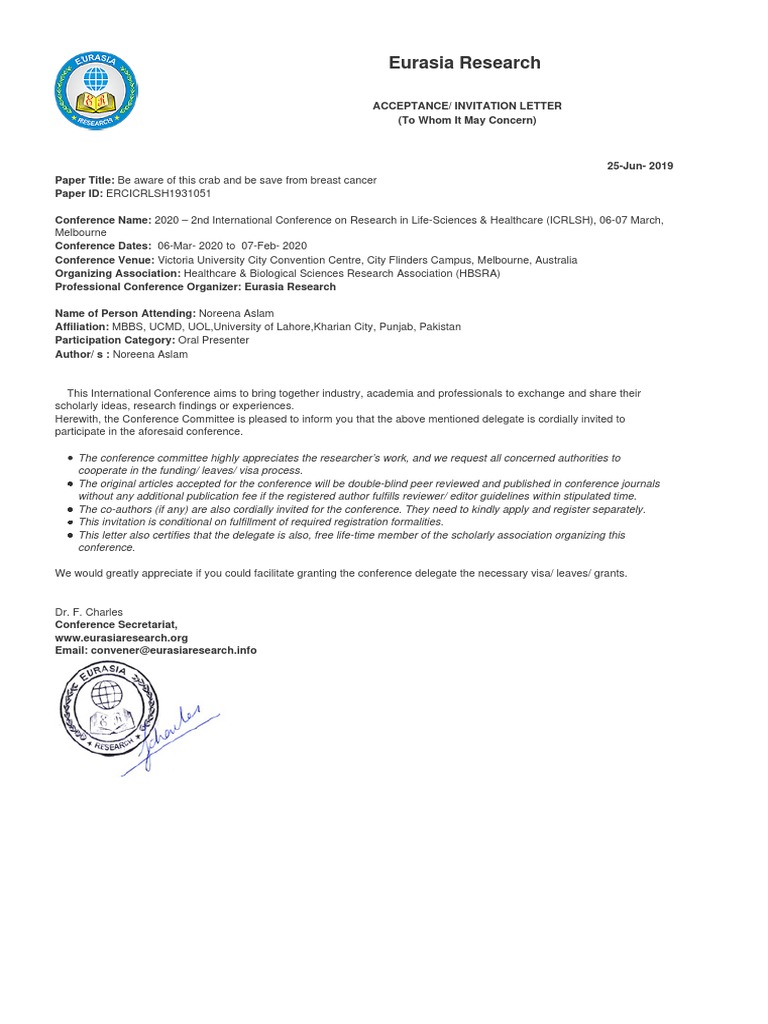
In the realm of international relations, diplomatic gestures hold immense significance, and the acceptance of an invitation from one nation to another can be a delicate yet crucial affair. This article delves into the intricate process of accepting an invitation, exploring the diplomatic protocols, the strategic considerations, and the potential impact on bilateral relations. Through a comprehensive analysis, we aim to shed light on this often-overlooked aspect of diplomacy, offering valuable insights into the art of international engagement.
The Protocol of Acceptance
When a nation extends an invitation to another, it is more than just a social gesture; it is a symbol of goodwill and a potential stepping stone towards stronger diplomatic ties. The protocol for accepting such an invitation is an intricate dance, guided by decades of diplomatic tradition and contemporary political sensitivities.
Understanding the Invitation
The first step in accepting an invitation is to thoroughly understand its nature and context. Invitations can range from official state visits, where the head of state or government is invited, to more informal cultural or economic exchanges. The level of formality and the intended purpose of the invitation significantly influence the response and the subsequent engagement.
For instance, an invitation for a state visit often carries a higher level of formality and expectation. It typically involves a detailed itinerary, including official meetings, state dinners, and cultural events. In contrast, an invitation for an economic forum might focus more on business opportunities and less on ceremonial aspects.
| Invitation Type | Key Considerations |
|---|---|
| State Visit | High formality, ceremonial events, official meetings |
| Economic Forum | Business opportunities, industry focus, less ceremonial |
| Cultural Exchange | Promotion of cultural heritage, artistic performances, exhibitions |

The Response Process
Once the invitation is understood, the responding nation must craft an appropriate response. This response is often a delicate balance between expressing gratitude for the invitation and aligning the engagement with the nation's diplomatic objectives.
For example, if a country receives an invitation for a state visit, the response might highlight the historical ties between the two nations, express appreciation for the invitation, and emphasize the potential for strengthened bilateral relations. The response might also outline the proposed itinerary for the visit, indicating the events and meetings the invited nation wishes to prioritize.
Diplomatic Etiquette
Diplomatic etiquette plays a crucial role in the acceptance process. Timeliness is key; a prompt response is often appreciated and demonstrates respect for the inviting nation's time and efforts. The language and tone of the response should be diplomatic, avoiding any offensive or insensitive phrasing.
Additionally, the acceptance should be accompanied by a detailed plan or proposal, outlining the visiting nation's expectations and intentions. This plan could include proposed meetings with key officials, potential cultural or economic partnerships, and any specific requests or considerations.
Strategic Considerations

Accepting an invitation is not merely a ceremonial act; it is a strategic decision with potential implications for a nation's foreign policy and international standing.
Foreign Policy Alignment
Every diplomatic engagement must align with a nation's foreign policy objectives. When accepting an invitation, policymakers must consider how the engagement fits into the broader strategic vision for international relations.
For instance, if a nation's foreign policy prioritizes economic partnerships, accepting an invitation to an economic summit or trade fair might be strategically beneficial. Conversely, if a nation's focus is on cultural diplomacy, accepting an invitation for a cultural festival or artistic exchange could be more aligned with its strategic goals.
Geopolitical Context
The geopolitical context is another critical consideration. The acceptance of an invitation can send signals to other nations, potentially influencing regional dynamics. For example, accepting an invitation from a key regional player might strengthen a nation's position in a geopolitical bloc or indicate a shift in diplomatic alliances.
Additionally, the geopolitical context can influence the level of security and protocol required for the engagement. A visit to a region with heightened political tensions might necessitate additional security measures and a more cautious approach to the itinerary.
Domestic Considerations
Domestic considerations, including public opinion and the government's domestic agenda, also play a role in the decision-making process. Accepting an invitation that aligns with public sentiment or supports a domestic initiative can be strategically advantageous.
For instance, if a nation is promoting an environmental initiative, accepting an invitation to a global climate summit could bolster its domestic agenda and enhance its international reputation as an environmentally conscious nation.
Impact and Implications
The acceptance of an invitation can have far-reaching implications for bilateral relations and a nation's international standing.
Strengthening Bilateral Relations
Accepting an invitation is a significant step towards strengthening diplomatic ties. It demonstrates a willingness to engage and collaborate, fostering a sense of mutual respect and understanding. A well-executed visit or engagement can lead to concrete outcomes, such as new trade agreements, cultural exchanges, or cooperative initiatives.
For example, a state visit that results in the signing of several bilateral agreements can significantly enhance the relationship between the two nations, providing a foundation for future cooperation and engagement.
Enhancing International Reputation
The way a nation handles its diplomatic engagements can influence its international reputation. A well-managed acceptance and subsequent engagement can showcase a nation's diplomatic prowess, its ability to navigate complex international relations, and its commitment to constructive engagement.
Conversely, a poorly handled acceptance or engagement can damage a nation's reputation, potentially straining bilateral relations and impacting future diplomatic opportunities.
Setting a Precedent
Each diplomatic engagement sets a precedent for future interactions. A positive experience can encourage further invitations and opportunities for collaboration. On the other hand, a negative experience might deter future engagements or lead to a more cautious approach from the inviting nation.
Therefore, it is crucial for nations to carefully consider each invitation, ensure a thorough preparation process, and approach the engagement with a strategic mindset, ensuring that each diplomatic step contributes positively to their international relations.
Frequently Asked Questions
How long does a nation typically take to respond to an invitation?
+The response time can vary depending on the nature of the invitation and the diplomatic protocols involved. Generally, a prompt response within a few weeks is appreciated. However, for more complex or high-level engagements, the response time might extend to several months to allow for thorough preparation and strategic planning.
What happens if a nation declines an invitation?
+Declining an invitation is a delicate matter. It is essential to communicate the decision respectfully and provide a diplomatic explanation. The decline might be due to scheduling conflicts, conflicting priorities, or other strategic considerations. It is crucial to maintain a positive tone to preserve the relationship and leave the door open for future engagements.
How does a nation prepare for an accepted invitation?
+Preparation for an accepted invitation is a comprehensive process. It involves creating a detailed itinerary, coordinating with relevant ministries and agencies, and ensuring all necessary protocols and security measures are in place. The preparation also includes briefing the delegation on the cultural, political, and economic context of the host nation to ensure a successful and respectful engagement.
Can a nation modify the terms of an invitation once accepted?
+Modifying the terms of an invitation is possible but should be approached with caution. It is essential to communicate any desired modifications diplomatically and in a timely manner. The inviting nation might accommodate the changes, but it could also impact the nature of the engagement and the overall experience. Clear and open communication is key to managing expectations and ensuring a positive outcome.
What are some common pitfalls to avoid when accepting an invitation?
+Some common pitfalls to avoid include a lack of preparation, disrespecting cultural or diplomatic protocols, and failing to align the engagement with the nation’s strategic objectives. It is crucial to thoroughly understand the invitation, respect the host nation’s customs and traditions, and ensure that the engagement contributes positively to the nation’s foreign policy goals.
