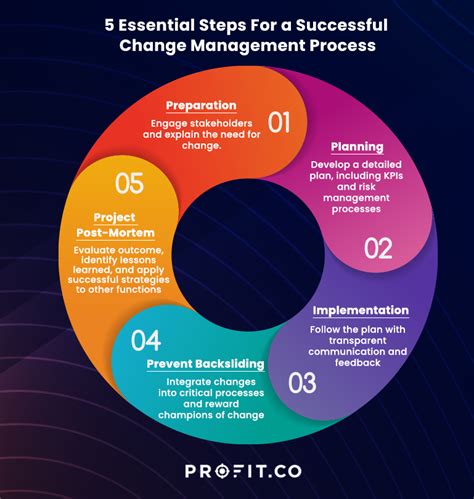
In today’s rapidly evolving business landscape, organizations must adapt to changes in technology, market trends, and customer expectations to remain competitive. Change management, the structured approach to transitioning individuals, teams, and organizations from a current state to a desired future state, has become a critical discipline. Effective change management not only minimizes disruptions but also ensures that transformations align with strategic goals. This article explores proven strategies for managing change, backed by real-world examples and industry data, to help leaders navigate transitions smoothly.
Understanding the Importance of Change Management

Change is inevitable, but its impact on organizations can vary widely. Poorly managed transitions often result in resistance, decreased productivity, and even financial losses. According to a Prosci report, organizations with effective change management are 6 times more likely to meet or exceed project objectives. Change management ensures that employees understand the need for change, are equipped with the necessary skills, and are motivated to embrace new processes or technologies.
Key Drivers of Organizational Change
Change can be driven by internal or external factors. Internal drivers include strategic shifts, mergers and acquisitions, and process improvements. External drivers encompass technological advancements, regulatory changes, and shifts in consumer behavior. For instance, the COVID-19 pandemic accelerated digital transformation across industries, forcing companies to adopt remote work and digital tools rapidly.
| Driver of Change | Example |
|---|---|
| Technological Advancements | Adoption of AI and automation in manufacturing |
| Regulatory Changes | Compliance with GDPR in the EU |
| Market Shifts | Rise of e-commerce during the pandemic |
Key Strategies for Effective Change Management
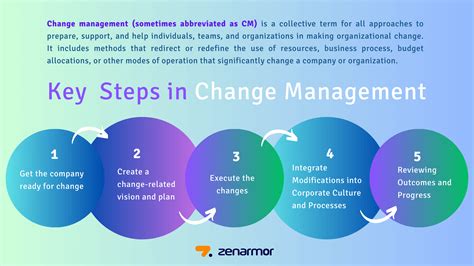
Implementing change requires a strategic approach that addresses both technical and human aspects of the transition. Below are five proven strategies to ensure smooth and successful change management.
1. Develop a Clear Vision and Plan
A well-defined vision is the cornerstone of successful change management. Leaders must articulate the why, what, and how of the change to provide clarity and direction. This includes setting measurable goals, defining key milestones, and identifying resources needed for implementation. For example, when Microsoft transitioned to a cloud-first strategy, CEO Satya Nadella outlined a clear vision of empowering organizations through cloud computing, which helped align employees and stakeholders.
2. Engage and Communicate Effectively
Communication is critical to overcoming resistance and fostering acceptance. Leaders should use multiple channels to disseminate information, including town halls, emails, and one-on-one meetings. Messages should be tailored to different audiences and address concerns transparently. During Netflix’s shift from DVD rentals to streaming, the company maintained open communication with employees, explaining the rationale behind the change and providing support during the transition.
3. Foster a Culture of Change Readiness
Organizations that embrace change as a constant are better equipped to handle transitions. Building a culture of agility involves encouraging innovation, rewarding adaptability, and providing continuous learning opportunities. Google, for instance, fosters a culture of experimentation, allowing employees to dedicate time to innovative projects, which has enabled the company to adapt quickly to new trends.
4. Leverage Change Champions
Change champions are individuals who advocate for and drive the change within their teams. These champions act as role models, provide peer support, and help address resistance. During IBM’s transformation into a cloud and AI-focused company, change champions played a pivotal role in helping employees understand the new direction and develop relevant skills.
5. Monitor and Adjust the Change Process
Change management is an iterative process that requires continuous monitoring and adjustment. Leaders should track progress against key performance indicators (KPIs), gather feedback, and make data-driven decisions to refine the approach. For example, during Procter & Gamble’s restructuring efforts, the company regularly assessed employee engagement and adjusted its strategies to ensure a smooth transition.
| Strategy | Example |
|---|---|
| Clear Vision and Plan | Microsoft’s cloud-first strategy |
| Effective Communication | Netflix’s shift to streaming |
| Change Champions | IBM’s transformation into cloud and AI |
Overcoming Common Challenges in Change Management
Despite careful planning, change initiatives often face challenges such as resistance, lack of resources, and misalignment. Addressing these obstacles requires proactive strategies and a focus on stakeholder engagement.
Resistance to Change
Resistance is a natural response to change, often stemming from fear of the unknown or concerns about job security. To mitigate resistance, leaders should involve employees in the change process, address concerns empathetically, and highlight the benefits of the transition. During General Electric’s digital transformation, the company conducted workshops to help employees understand the new technologies and their impact on roles.
Resource Constraints
Limited resources, such as time, budget, or personnel, can hinder change initiatives. Prioritization and efficient resource allocation are essential. For example, when Adobe transitioned to a subscription-based model, the company phased the change gradually, allocating resources to critical areas first while ensuring minimal disruption to customers.
Misalignment of Goals
Change initiatives may fail if stakeholders have conflicting priorities or lack a shared understanding of the goals. Aligning objectives across departments and levels is crucial. During the merger of Daimler and Chrysler, misalignment between the two companies’ cultures and strategies contributed to the failure of the partnership. Effective change management requires ensuring that all parties are working toward a common vision.
| Challenge | Solution |
|---|---|
| Resistance to Change | Involve employees and address concerns |
| Resource Constraints | Prioritize and allocate resources efficiently |
| Misalignment of Goals | Ensure shared understanding and alignment |
Measuring the Success of Change Management
Evaluating the success of a change initiative requires measuring both short-term and long-term outcomes. Key metrics include employee engagement, project ROI, and achievement of strategic objectives. For instance, when Starbucks implemented a new store design and operational model, the company measured success through increased customer satisfaction and improved sales metrics.
| Metric | Description |
|---|---|
| Employee Engagement | Surveys and feedback to gauge acceptance |
| Project ROI | Financial impact of the change initiative |
| Strategic Alignment | Achievement of long-term business goals |
Future Trends in Change Management
As organizations continue to evolve, change management practices must adapt to new challenges and opportunities. Emerging trends include the use of data analytics to predict change impacts, the integration of AI in change processes, and a greater focus on employee well-being during transitions.
Data-Driven Change Management
Advances in data analytics enable leaders to predict the impact of change initiatives and tailor strategies accordingly. For example, companies like Salesforce use predictive analytics to identify potential resistance points and develop targeted interventions.
AI and Automation in Change Processes
AI tools can streamline change management by automating routine tasks, providing personalized employee support, and analyzing feedback in real time. Microsoft’s Viva platform, for instance, uses AI to help employees adapt to new workflows and technologies.
Focus on Employee Well-Being
Recognizing the human impact of change, organizations are increasingly prioritizing employee well-being during transitions. Companies like Unilever offer mental health support and flexible work arrangements to help employees navigate change.
What is the first step in change management?
+
The first step in change management is to develop a clear vision and plan for the transition. This includes defining the objectives, scope, and expected outcomes of the change initiative.
How can leaders reduce resistance to change?
+
Leaders can reduce resistance by involving employees in the change process, communicating transparently, addressing concerns empathetically, and highlighting the benefits of the transition.
What role do change champions play?
+
Change champions are individuals who advocate for the change, provide peer support, and help address resistance within their teams, acting as role models for others.
How can organizations measure the success of change management?
+
Success can be measured through metrics such as employee engagement, project ROI, and the achievement of strategic objectives. Surveys, financial analysis, and performance indicators are commonly used tools.
What are the emerging trends in change management?
+
Emerging trends include data-driven change management, the use of AI and automation in change processes, and a greater focus on employee well-being during transitions.
