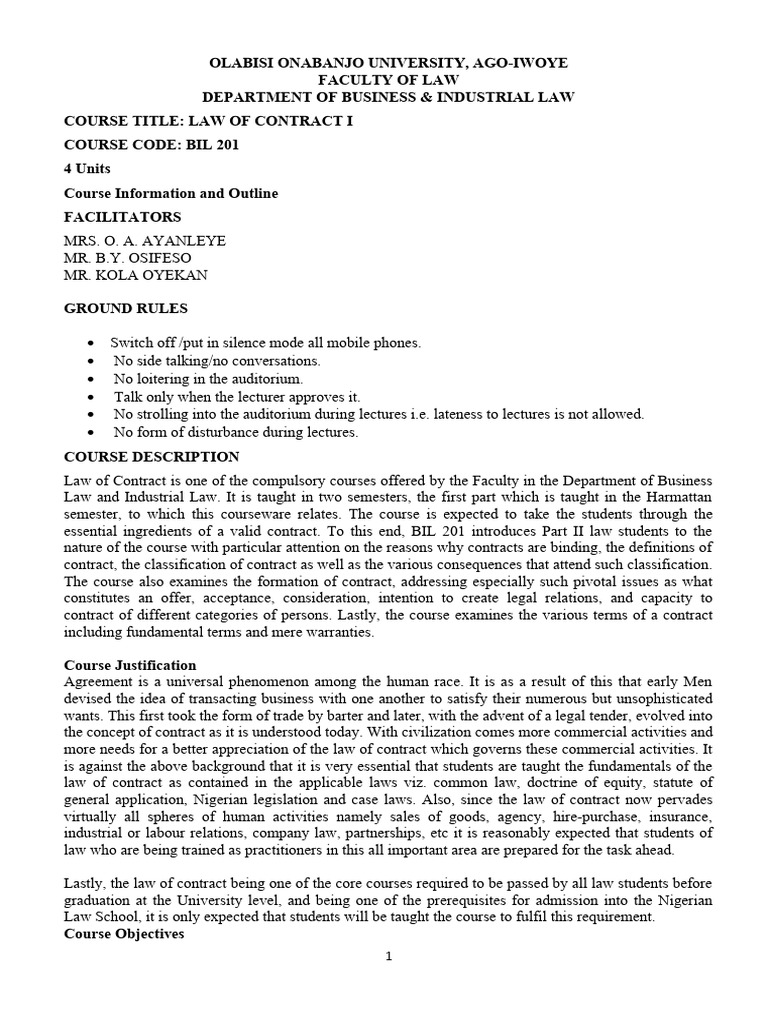
In the realm of professional development, few opportunities are as rigorous and rewarding as military contract courses. These specialized programs are designed to equip individuals with the skills, knowledge, and discipline required to excel in high-stakes environments. Whether you're a civilian seeking to enter the defense sector or a military professional aiming to enhance your expertise, understanding the intricacies of these courses is crucial. This guide delves into the essentials of military contract courses, offering insights into their structure, benefits, and pathways to success.
Understanding Military Contract Courses
Military contract courses are intensive training programs developed and delivered by military institutions or private contractors under government contracts. These courses cater to a wide range of disciplines, including but not limited to tactical operations, cybersecurity, logistics, and leadership development. They are often tailored to meet the specific needs of military branches, government agencies, or allied nations.
Key Features of Military Contract Courses
These programs are distinguished by their structured curriculum, hands-on training, and real-world applicability. Participants undergo rigorous assessments, both theoretical and practical, to ensure they meet the stringent standards required in military and defense roles. Courses are typically led by seasoned instructors with extensive field experience, providing learners with invaluable insights and mentorship.
| Course Type | Duration | Focus Area |
|---|---|---|
| Tactical Operations | 4-8 weeks | Combat tactics, mission planning |
| Cybersecurity | 6-12 weeks | Network defense, threat mitigation |
| Logistics Management | 8-12 weeks | Supply chain, resource allocation |
| Leadership Development | 10-16 weeks | Team management, decision-making |
Benefits of Enrolling in Military Contract Courses

Participating in these courses offers numerous advantages, both professionally and personally. Here are some key benefits:
Enhanced Skill Set
Military contract courses provide specialized training that goes beyond conventional education. Participants gain expertise in areas such as tactical decision-making, crisis management, and technical proficiency, making them highly sought after in the job market.
Career Advancement
Completing these courses often leads to improved career prospects. Many employers in the defense, security, and government sectors prioritize candidates with military contract course certifications, recognizing the value of their training and discipline.
Networking Opportunities
These programs offer a unique chance to connect with professionals from diverse backgrounds. Building relationships with instructors, peers, and industry experts can open doors to future collaborations and opportunities.
Personal Development
The rigorous nature of military contract courses fosters resilience, discipline, and leadership skills. Participants often report significant personal growth, gaining confidence in their ability to tackle complex challenges.
How to Prepare for Military Contract Courses
Success in these programs requires thorough preparation. Here are actionable steps to ensure you’re ready:
Physical Fitness
Most military contract courses demand a high level of physical stamina. Engage in regular exercise, focusing on cardiovascular health, strength, and endurance. Consider consulting a fitness trainer to develop a tailored program.
Mental Preparedness
Develop mental resilience through practices like mindfulness, meditation, and stress management techniques. Familiarize yourself with the course curriculum and expectations to reduce anxiety.
Technical Knowledge
Brush up on relevant technical skills and industry knowledge. Online courses, textbooks, and workshops can help you gain a solid foundation before the program begins.
Time Management
Military contract courses are time-intensive. Learn to prioritize tasks and manage your schedule effectively to balance training with other commitments.
Navigating the Application Process
Applying for military contract courses involves several steps. Here’s a breakdown of what to expect:
Eligibility Criteria
Most programs have specific eligibility requirements, including age, education, and physical fitness standards. Review these carefully to ensure you qualify before applying.
Documentation
Prepare all necessary documents, such as identification, educational certificates, and medical clearances. Incomplete applications may be rejected, so double-check your submissions.
Interviews and Assessments
Some courses require interviews or assessment tests to evaluate your suitability. Practice common interview questions and familiarize yourself with the test format to increase your chances of success.
Financial Considerations
While some courses are fully funded by government contracts, others may require partial or full payment. Explore scholarships, grants, or employer sponsorships to offset costs.
Real-World Applications of Military Contract Courses

The skills acquired through these programs have broad applications across various sectors. Here are some examples:
Defense and Security
Graduates often find roles in military operations, intelligence analysis, and counterterrorism, leveraging their training to protect national interests.
Corporate Sector
Companies value the discipline and strategic thinking of military contract course alumni. Roles in risk management, crisis response, and leadership development are common.
Public Service
Government agencies recruit graduates for positions in emergency management, public safety, and policy development, where their skills are instrumental in ensuring public welfare.
International Organizations
Entities like the United Nations and NATO seek professionals with military contract course backgrounds for roles in peacekeeping, humanitarian aid, and conflict resolution.
Overcoming Challenges in Military Contract Courses
While immensely rewarding, these programs are not without challenges. Here’s how to navigate common obstacles:
Physical Demands
The rigorous physical training can be daunting. Maintain a consistent fitness routine and listen to your body to avoid injuries. Seek support from instructors and peers when needed.
Mental Stress
High-pressure scenarios and intense schedules can lead to mental fatigue. Practice stress management techniques and prioritize self-care to stay focused and motivated.
Time Management
Balancing course demands with personal life can be challenging. Create a structured schedule and set realistic goals to manage your time effectively.
Technical Complexity
Some courses involve advanced technical concepts. Dedicate extra time to studying and seek clarification from instructors or peers when necessary.
What are the prerequisites for enrolling in military contract courses?
+
Prerequisites vary by course but typically include a minimum age, educational qualifications, and physical fitness standards. Some programs may also require prior military experience or specific technical skills.
How long do military contract courses usually last?
+
Course durations range from 4 to 16 weeks, depending on the specialization. Intensive programs may be shorter but more demanding, while comprehensive courses offer in-depth training over a longer period.
Can civilians enroll in military contract courses?
+
Yes, many courses are open to civilians, particularly those in cybersecurity, logistics, and leadership development. However, certain programs may be restricted to military personnel or government employees.
Are there funding options available for these courses?
+
Funding options vary, but many courses are fully or partially funded by government contracts. Civilians can explore scholarships, grants, or employer sponsorships to cover costs.
What career opportunities can I expect after completing a military contract course?
+
Graduates can pursue careers in defense, security, corporate risk management, public service, and international organizations. The skills gained are highly transferable, opening doors to diverse opportunities.
