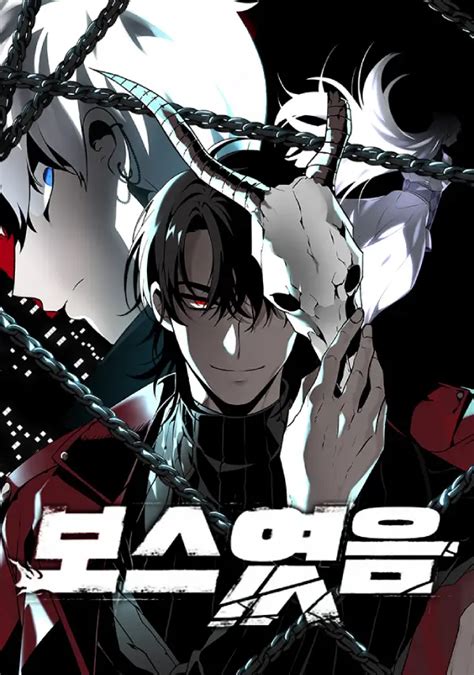
Welcome to the world of I Used To Be A Boss, a captivating webtoon series that has taken the manga and manhwa community by storm. This immersive story delves into the life of its protagonist, Lee Su Ho, a once-powerful CEO who finds himself transported into the body of a young man in a parallel world. As Su Ho navigates this new reality, readers are treated to a captivating blend of fantasy, adventure, and a unique take on the "isekai" genre. With its engaging narrative, intricate world-building, and relatable characters, I Used To Be A Boss has become a must-read for fans of the manhwa format.
Unveiling the Plot: A CEO’s Journey in a Parallel World
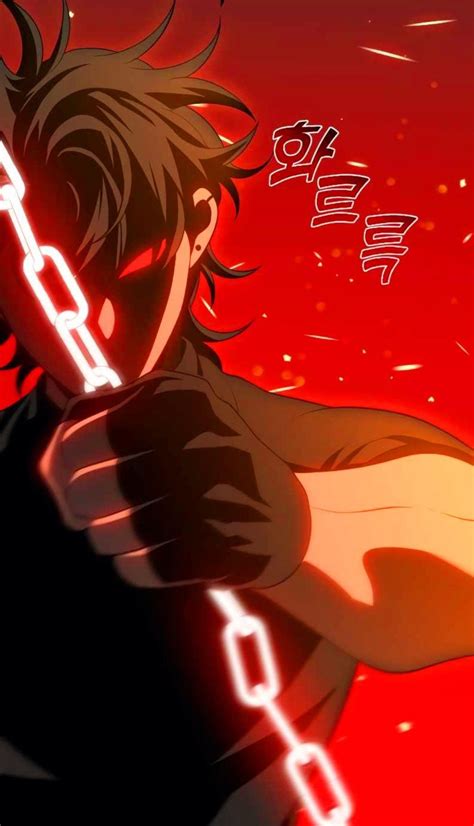
The premise of I Used To Be A Boss is both intriguing and thought-provoking. Lee Su Ho, a successful and influential CEO in his thirties, unexpectedly finds himself in a completely different existence. Waking up in a new body and a new world, Su Ho quickly realizes he is now in the body of a nineteen-year-old man named Lee Su Ho, but in a parallel universe. This turn of events sets the stage for a captivating narrative as Su Ho must navigate his new life, adapt to unfamiliar surroundings, and uncover the secrets and challenges that come with his newfound existence.
The Journey to Regain His Former Glory
As Su Ho adjusts to his new life, he sets his sights on a formidable goal: reclaiming his former glory and power. With his vast knowledge and experience, he begins to strategize and implement plans to rise through the ranks once again. The story follows Su Ho’s endeavors as he faces various obstacles, forms alliances, and makes powerful enemies along the way. The webtoon masterfully portrays Su Ho’s determination, strategic mind, and unique abilities as he strives to regain his position as a formidable force in this new world.
Exploring the Rich and Diverse World of I Used To Be A Boss
One of the standout features of I Used To Be A Boss is its intricate and immersive world-building. The webtoon transports readers to a parallel universe with its own unique history, politics, and social dynamics. From the grand cities to the vast rural landscapes, each setting is vividly depicted, allowing readers to fully immerse themselves in this new world. The attention to detail in portraying the various cultures, traditions, and power structures adds depth and richness to the narrative, enhancing the overall reading experience.
Character Development and Complex Relationships

A significant strength of I Used To Be A Boss lies in its character development and the intricate relationships that unfold throughout the story. Su Ho, the protagonist, undergoes a remarkable transformation as he adapts to his new life. Readers witness his growth, both mentally and emotionally, as he navigates the challenges and opportunities presented to him. The webtoon excellently captures the complexities of human nature, showcasing Su Ho’s struggles, triumphs, and the evolution of his character as he interacts with the diverse cast of characters that populate this parallel world.
Building Connections and Forming Alliances
As Su Ho embarks on his journey, he encounters a wide array of characters, each with their own unique backgrounds and motivations. From powerful allies who aid him in his endeavors to formidable foes who stand in his way, the relationships that Su Ho forms play a pivotal role in the narrative. The webtoon skillfully portrays the dynamics between these characters, exploring themes of loyalty, trust, and the complexities of human connections. The development of these relationships adds depth to the story, creating a rich tapestry of interactions that keep readers engaged and invested in the fate of the characters.
Unveiling the Secrets and Twists
I Used To Be A Boss is not merely a tale of a CEO’s journey in a parallel world; it is a narrative filled with intriguing secrets, unexpected twists, and revealing flashbacks. As Su Ho unravels the mysteries of his new existence, readers are treated to a web of intriguing revelations. From the hidden motives of powerful individuals to the uncovering of ancient secrets that shape the world, the webtoon keeps readers on the edge of their seats, eager to discover the next plot twist. The strategic use of flashbacks and subtle hints adds layers of complexity to the story, creating a narrative that is both captivating and intellectually stimulating.
Visual Aesthetics and Artistic Style
The visual presentation of I Used To Be A Boss is a true feast for the eyes. The webtoon’s artistic style is characterized by detailed and dynamic illustrations, bringing the story to life with vivid imagery. The panel layouts and page compositions are carefully crafted, guiding readers through the narrative with a smooth and engaging flow. The attention to detail in the character designs, expressive facial features, and vibrant color palettes further enhance the reading experience, allowing readers to fully immerse themselves in the world of the webtoon.
Aesthetic Appeal and Artistic Consistency
One of the standout features of I Used To Be A Boss’s visual aesthetic is its consistency throughout the series. The artistic style remains true to its initial vision, ensuring a cohesive and immersive reading experience. The attention to detail in depicting the diverse environments, from bustling city streets to serene natural landscapes, adds a layer of realism and depth to the story. Additionally, the use of light and shadow, as well as the careful composition of each panel, contributes to the overall aesthetic appeal, creating a visually stunning and captivating webtoon.
Reader Engagement and Community
The popularity and success of I Used To Be A Boss can be attributed not only to its captivating narrative and visual aesthetics but also to the engagement and interaction of its dedicated reader community. The webtoon has fostered a vibrant and passionate fan base that actively discusses and analyzes each chapter, contributing to the overall enjoyment and appreciation of the series. The sense of community and shared enthusiasm for the story has further enhanced the reading experience, creating a platform for readers to connect, share theories, and celebrate the ongoing journey of Lee Su Ho.
Fan Theories and Speculations
One of the most engaging aspects of the I Used To Be A Boss community is the plethora of fan theories and speculations that emerge with each new chapter. Readers actively participate in analyzing the intricate plot points, character motivations, and potential future developments. The webtoon’s ability to inspire such deep analysis and speculation is a testament to its intricate storytelling and the dedication of its fan base. These theories and discussions not only enhance the reading experience but also contribute to the overall richness and depth of the narrative, creating a dynamic and interactive community.
| Release Status | Latest Chapter |
|---|---|
| Ongoing | Chapter 259 |
Conclusion
In conclusion, I Used To Be A Boss is a captivating and immersive webtoon series that has earned its place as a fan favorite. With its unique premise, engaging narrative, and intricate world-building, it has captured the hearts of readers worldwide. The journey of Lee Su Ho, a CEO transported into a parallel world, offers a refreshing take on the isekai genre, combining elements of fantasy, adventure, and strategic storytelling. The series’ success lies not only in its compelling story and visually stunning presentation but also in the vibrant community of dedicated readers who actively engage with and contribute to the ongoing narrative. As I Used To Be A Boss continues to unfold, readers can expect to be immersed in a world of intrigue, adventure, and the ongoing quest for power and glory.
What inspired the creation of I Used To Be A Boss?
+The creator, a renowned manhwa artist, drew inspiration from a diverse range of sources, including classic literature, fantasy novels, and personal experiences. The concept of a powerful CEO being transported into a parallel world allowed for a unique exploration of themes such as power dynamics, personal growth, and the complexities of human relationships.
How does I Used To Be A Boss compare to other isekai manga or manhwa series?
+I Used To Be A Boss stands out from other isekai series by offering a fresh perspective and a unique protagonist. While many isekai stories focus on the journey of a protagonist with no prior knowledge or experience, I Used To Be A Boss explores the challenges and advantages of a character with extensive real-world knowledge and a strategic mindset. This approach adds depth and complexity to the narrative, setting it apart from traditional isekai tropes.
What are some of the key themes explored in I Used To Be A Boss?
+Key themes in I Used To Be A Boss include the pursuit of power and glory, the complexities of human relationships, the impact of knowledge and experience on personal growth, and the exploration of parallel worlds and their unique dynamics. The webtoon delves into these themes through the lens of its protagonist, Lee Su Ho, offering a thought-provoking and engaging narrative.
