
Military leadership is a complex and demanding field that requires a unique set of skills, knowledge, and attributes. Effective leaders in the military must possess the ability to make sound decisions under pressure, inspire and motivate their teams, and adapt to rapidly changing environments. While on-base training is essential for developing these skills, off-base military leadership training methods have emerged as valuable supplements to traditional approaches. These methods offer opportunities for leaders to enhance their capabilities, broaden their perspectives, and develop critical thinking skills in diverse and challenging contexts. In this article, we will explore five effective off-base military leadership training methods that have been proven to yield significant benefits for military leaders.
Outdoor Leadership Challenges: Developing Resilience and Adaptability
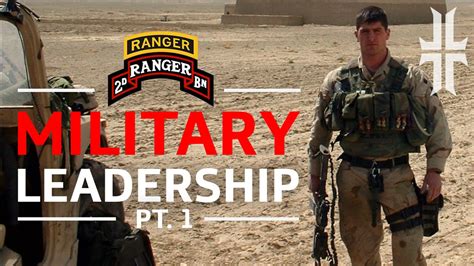
Outdoor leadership challenges, such as wilderness survival courses, rope courses, and navigation exercises, provide military leaders with opportunities to develop resilience, adaptability, and problem-solving skills. These activities often take place in unfamiliar environments, requiring participants to think critically, make decisions under pressure, and work effectively as a team. For example, the Army’s Ranger School incorporates rigorous outdoor challenges to test and develop the leadership skills of its students. By engaging in these activities, military leaders can enhance their ability to lead in complex and uncertain situations, a critical skill in modern military operations.
Key Benefits of Outdoor Leadership Challenges
Some of the key benefits of outdoor leadership challenges include:
- Enhanced decision-making skills under pressure
- Improved teamwork and communication
- Increased self-awareness and emotional intelligence
- Development of resilience and mental toughness
Civilian Leadership Programs: Broadening Perspectives and Skills

Participating in civilian leadership programs, such as executive education courses, leadership seminars, and industry-specific training, can provide military leaders with valuable opportunities to broaden their perspectives and develop new skills. These programs often expose participants to diverse industries, cultures, and leadership styles, enabling them to think more critically and creatively about their own leadership approaches. For instance, the Harvard Kennedy School’s Executive Education Program offers courses on leadership in the 21st century, crisis management, and strategic negotiation, which can be highly relevant to military leaders.
Examples of Civilian Leadership Programs
Some examples of civilian leadership programs that can benefit military leaders include:
| Program Name | Focus Area |
|---|---|
| Harvard Kennedy School Executive Education | Leadership, Crisis Management, Strategic Negotiation |
| Stanford Graduate School of Business Executive Program | Innovation, Entrepreneurship, Global Leadership |
| Wharton School’s Executive Education | Finance, Marketing, Operations Management |
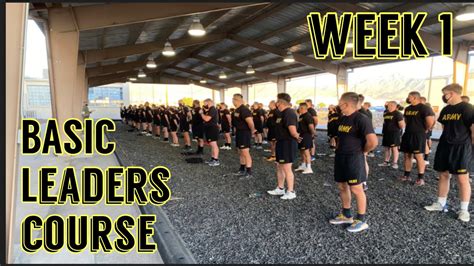
Virtual Reality and Simulation-Based Training: Immersive Learning Experiences
Virtual reality (VR) and simulation-based training have emerged as innovative off-base military leadership training methods. These technologies enable leaders to engage in immersive learning experiences, simulating complex and realistic scenarios that test their decision-making, communication, and problem-solving skills. For example, the US Army’s Synthetic Training Environment uses VR and simulation to create realistic training environments, allowing leaders to practice and refine their skills in a safe and controlled setting. By incorporating VR and simulation-based training into their development plans, military leaders can enhance their readiness and effectiveness in real-world operations.
Advantages of Virtual Reality and Simulation-Based Training
Some advantages of VR and simulation-based training include:
- Safe and controlled learning environments
- Realistic scenario-based training
- Personalized feedback and performance metrics
- Cost-effective and scalable training solutions
Cross-Cultural Exchange Programs: Developing Global Leadership Skills
Cross-cultural exchange programs, such as international military exchanges and cultural immersion experiences, provide military leaders with opportunities to develop global leadership skills and cross-cultural competence. These programs enable participants to engage with diverse cultures, languages, and perspectives, fostering a deeper understanding of international relations and global security issues. For instance, the NATO Defense College’s International Military Staff Course brings together military leaders from different countries to study and discuss contemporary security challenges. By participating in cross-cultural exchange programs, military leaders can enhance their ability to lead in multinational operations and navigate complex cultural landscapes.
Key Outcomes of Cross-Cultural Exchange Programs
Some key outcomes of cross-cultural exchange programs include:
- Enhanced cross-cultural competence
- Improved global leadership skills
- Increased understanding of international relations
- Development of strategic partnerships
- Personalized guidance and feedback
- Enhanced self-awareness and emotional intelligence
- Improved decision-making and problem-solving skills
- Increased confidence and leadership effectiveness
Mentorship and Coaching Programs: Personalized Leadership Development
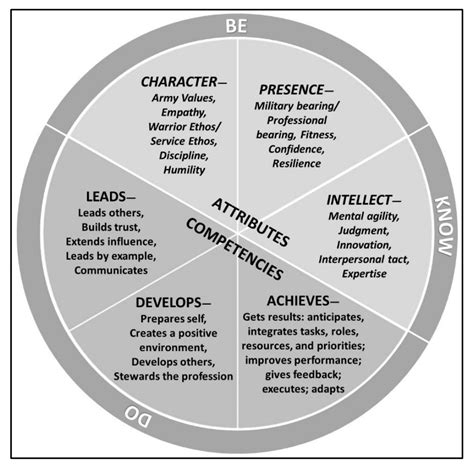
Mentorship and coaching programs offer military leaders personalized guidance, feedback, and support for their leadership development. These programs typically pair leaders with experienced mentors or coaches who provide tailored advice, share insights, and help them navigate challenges. For example, the US Air Force’s Mentorship Program connects junior officers with senior leaders to foster professional growth and development. By engaging in mentorship and coaching programs, military leaders can accelerate their leadership development, build confidence, and enhance their effectiveness as leaders.
Benefits of Mentorship and Coaching Programs
Some benefits of mentorship and coaching programs include:
What are the key benefits of off-base military leadership training?
+Off-base military leadership training offers numerous benefits, including enhanced decision-making skills, improved teamwork, increased self-awareness, and development of resilience and adaptability. These methods also provide opportunities for leaders to broaden their perspectives, develop new skills, and engage in immersive learning experiences.
How can military leaders select the right off-base training program?
+Military leaders should consider their individual development goals, career aspirations, and organizational needs when selecting an off-base training program. They should also research the program’s curriculum, faculty, and reputation to ensure it aligns with their objectives and provides a high-quality learning experience.
What role does technology play in off-base military leadership training?
+Technology, such as virtual reality and simulation-based training, plays a significant role in off-base military leadership training by providing immersive learning experiences, realistic scenario-based training, and personalized feedback. These technologies enable leaders to practice and refine their skills in a safe and controlled environment, enhancing their readiness and effectiveness in real-world operations.
How can cross-cultural exchange programs benefit military leaders?
+Cross-cultural exchange programs can benefit military leaders by developing their global leadership skills, enhancing cross-cultural competence, and increasing understanding of international relations. These programs also provide opportunities for leaders to build strategic partnerships and navigate complex cultural landscapes, which is essential for leading in multinational operations.
What is the importance of mentorship and coaching in military leadership development?
+Mentorship and coaching are crucial in military leadership development as they provide personalized guidance, feedback, and support. These programs help leaders accelerate their development, build confidence, and enhance their effectiveness by learning from experienced mentors and coaches who share insights, provide tailored advice, and help navigate challenges.
