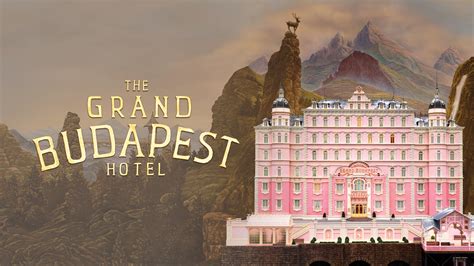
Welcome to a world of exquisite cinema and exquisite storytelling. We delve into the captivating world of *The Grand Budapest Hotel*, a film that has left an indelible mark on the art of filmmaking. With its unique narrative style, vibrant aesthetics, and an ensemble cast delivering exceptional performances, *The Grand Budapest Hotel* is a masterpiece that continues to enchant audiences worldwide. In this article, we will explore the intricate layers of this film, dissect its success, and uncover the reasons why it has become a modern classic.
A Visual Extravaganza: The Grand Budapest's Cinematic Excellence

The Grand Budapest Hotel is not just a movie; it's a visual feast. The film, directed by the renowned Wes Anderson, showcases his signature style with meticulous attention to detail and a distinct color palette. From the moment the camera pans across the grand hotel's façade, viewers are transported to a whimsical world, where every frame is a carefully curated work of art.
The cinematography, led by Robert D. Yeoman, paints a vibrant picture of the fictional Republic of Zubrowka. The use of wide-angle lenses and vibrant colors creates a unique, almost fairy-tale-like atmosphere. The hotel itself, with its symmetrical architecture and intricate interior design, becomes a character in its own right. Every shot is a masterpiece, inviting viewers to explore the rich tapestry of this fictional world.
The film's production design, overseen by Adam Stockhausen, is nothing short of extraordinary. The attention to historical accuracy and detail is evident in every set piece. From the ornate ballrooms to the intricate pastry shop, each location feels like a living, breathing entity. The use of miniatures and detailed set dressings adds a layer of depth and authenticity to the film's world-building.
A Symphony of Color and Composition
Wes Anderson's signature aesthetic is on full display in *The Grand Budapest Hotel*. The film's color palette is a masterpiece in itself. The vibrant hues of pink, mint green, and pastel blues create a unique visual language, enhancing the whimsical tone of the story. The careful composition of each shot, with its symmetrical framing and unique camera angles, adds a layer of visual comedy and delight.
The film's use of color grading and lighting further enhances its visual appeal. The warmer tones of the pre-war era give way to cooler blues and grays as the story progresses, reflecting the changing political climate and the passage of time. This subtle use of color symbolism adds depth and emotional resonance to the narrative.
| Visual Element | Description |
|---|---|
| Symmetrical Framing | Anderson's signature style, creating a unique visual rhythm. |
| Color Palette | Vibrant and carefully curated, enhancing the whimsical tone. |
| Miniature Sets | Detailed and realistic, adding depth to the film's world. |
A Tale of Adventure and Heart: The Grand Budapest's Narrative Charm
Beyond its visual splendor, *The Grand Budapest Hotel* captivates audiences with its delightful narrative. The story, set in the fictional Republic of Zubrowka, follows the adventures of the hotel's legendary concierge, Gustave H., and his loyal lobby boy, Zero Moustafa. With a clever mix of comedy, drama, and suspense, the film takes viewers on a journey filled with unexpected twists and a cast of eccentric characters.
The narrative structure is a masterpiece of storytelling. The film employs a nested narrative, with multiple layers of storytelling. The frame narrative, set in the present day, introduces the aging author, who shares the story of the Grand Budapest Hotel and its legendary concierge. This meta-level storytelling adds depth and a sense of nostalgia to the film.
The main narrative, set in the 1930s, follows the adventures of Gustave and Zero. With a fast-paced and witty script, the film explores themes of friendship, loyalty, and the impact of war on personal lives. The dialogue, filled with clever quips and witty banter, keeps viewers engaged and entertained.
A Cast of Characters: Ensemble Brilliance
One of the film's greatest strengths is its ensemble cast. *The Grand Budapest Hotel* boasts an impressive lineup of talented actors, each delivering exceptional performances. Ralph Fiennes, as the charming and eccentric Gustave H., steals the show with his nuanced portrayal of a complex character.
Tony Revolori, as the young Zero Moustafa, holds his own alongside Fiennes, showcasing a range of emotions and a natural charm. The supporting cast, including F. Murray Abraham, Adrien Brody, Willem Dafoe, and many more, brings a host of colorful characters to life. Each actor adds depth and humor to their roles, creating a rich tapestry of personalities.
The chemistry between the cast is palpable, with their interactions driving the narrative forward. The film's use of voiceover and narration adds a layer of intimacy, allowing viewers to delve deeper into the characters' minds and motivations.
A Cultural Phenomenon: The Impact and Legacy of The Grand Budapest Hotel
*The Grand Budapest Hotel* has left an indelible mark on popular culture. The film's unique aesthetic and storytelling style have resonated with audiences and critics alike, solidifying its status as a modern classic. Its influence can be seen in the works of other filmmakers, who have drawn inspiration from Anderson's distinct style.
The film's success extended beyond the silver screen. It received critical acclaim, earning numerous awards and nominations, including nine Academy Award nominations and four BAFTA wins. The Grand Budapest Hotel's impact on fashion, design, and popular culture is evident in its influence on trends and aesthetics.
The film's enduring popularity has led to a dedicated fan base, with viewers returning to the world of the Grand Budapest Hotel time and again. Its unique blend of comedy, drama, and adventure has created a timeless tale that continues to captivate and entertain audiences of all ages.
A Legacy of Inspiration: The Grand Budapest's Impact on Filmmaking
Wes Anderson's unique vision and storytelling style have inspired a new generation of filmmakers. The Grand Budapest Hotel's meticulous attention to detail, its use of color and composition, and its ensemble-driven narrative have become hallmarks of Anderson's signature style. Many filmmakers have drawn inspiration from his unique approach, incorporating elements of his style into their own works.
The film's success has also opened doors for more unconventional and artistic films. Its ability to blend high-concept storytelling with a unique visual aesthetic has challenged traditional filmmaking norms. The Grand Budapest Hotel's impact can be seen in the rise of films that prioritize artistic expression and visual storytelling, pushing the boundaries of cinema.
| Impact on Filmmaking | Description |
|---|---|
| Inspiring Unique Aesthetics | Anderson's distinct style has influenced filmmakers to embrace unique visual approaches. |
| Encouraging Ensemble Casting | The film's success with an ensemble cast has inspired more diverse and talented lineups. |
| Expanding Artistic Boundaries | The Grand Budapest Hotel's success has opened doors for more experimental and artistic films. |
Frequently Asked Questions
What inspired Wes Anderson to create The Grand Budapest Hotel?
+Anderson drew inspiration from various sources, including European cinema, classic literature, and his own imagination. He wanted to create a whimsical and unique world, blending elements of comedy, drama, and adventure.
How was the film’s unique visual style achieved?
+The visual style is a result of meticulous planning and collaboration between Anderson, cinematographer Robert D. Yeoman, and production designer Adam Stockhausen. They used a combination of practical sets, miniatures, and careful color grading to create the film’s distinctive look.
What makes The Grand Budapest Hotel stand out from other films?
+The film’s unique combination of a visually stunning aesthetic, a clever and witty script, and an exceptional ensemble cast sets it apart. Its ability to blend different genres and create a distinct world has captured the hearts of audiences and critics alike.
